
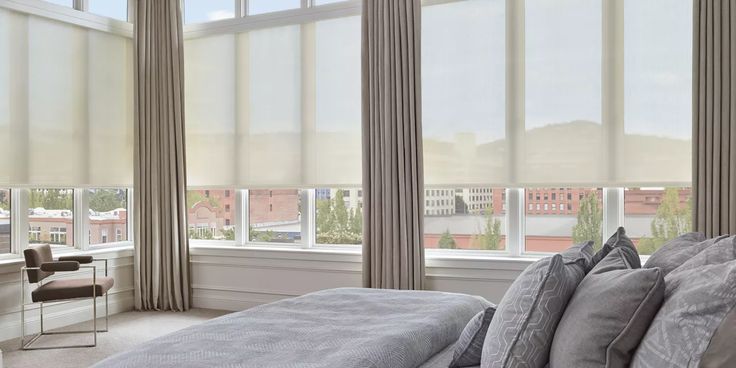
Windows do a lot for a home, letting in light, offering a view, making a room feel open. But without the right shades, they can also work against you: glare that makes it hard to see the TV in the afternoon, a bedroom that never gets fully dark, or a west-facing room that turns into a greenhouse every summer afternoon. Most homeowners live with these small daily frustrations far longer than they need to, simply because window shades don’t feel like an urgent decision until the discomfort becomes routine.
This guide covers what window shades services actually involve, how to think through the different style and functionality options, and what separates a shade choice that actually solves the problem from one that’s just a generic fit. For a closer look at the range of options and how the process works, this custom window shades service breaks down what’s available, but here’s what every homeowner should understand first.
What Window Shades Services Actually Involve
Window shades services cover the consultation, custom measurement, material and style selection, and professional installation of shade systems designed to fit a specific window’s dimensions and a household’s specific light, privacy, and style needs. This spans a wide range of options, including roller shades, Roman shades, cellular shades, solar shades, and motorized systems.
The custom-fit aspect matters more than it might seem. A shade that isn’t precisely sized to the window can leave light gaps along the edges, undermining the privacy or light-blocking function the shade was meant to provide in the first place. Getting the measurement and installation right is what separates a shade that actually performs from one that just looks like it belongs there.
Why the Right Shade Choice Matters Beyond Appearance
It’s easy to think of window shades as primarily a style decision, but the functional differences between shade types have a real impact on daily comfort. Light-filtering shades reduce glare while still allowing natural light into a room, which works well for living spaces where some brightness is still desirable. Blackout shades, on the other hand, are built for rooms like bedrooms or media rooms where light needs to be blocked out almost entirely.
Beyond light control, shade choice also affects energy efficiency. Cellular shades, for example, trap air in distinct pockets that help insulate a window, keeping a room cooler in summer and warmer in winter. That insulating effect can make a noticeable difference in a room that’s previously felt too hot or too cold relative to the rest of the house, particularly for windows facing direct sun exposure for much of the day.
Window Shades Myths vs. Reality
Because shades come in so many styles and materials, a lot of assumptions circulate that don’t hold up once you understand the actual functional differences between options.
| Myth | Reality |
|---|---|
| “All window shades block light and provide privacy about the same.” | Light-filtering, blackout, and sheer shades all serve very different purposes, and choosing the wrong category for a room’s needs means the shade won’t actually solve the problem it was meant to address. |
| “Standard, off-the-shelf sizing works fine for most windows.” | Custom-fit shades avoid light gaps and uneven coverage that standard sizing often can’t fully address, particularly on non-standard window dimensions. |
| “Motorized shades are just a luxury add-on with no practical benefit.” | Motorized systems offer real functional advantages, including scheduled operation for energy efficiency and easier control for hard-to-reach windows. |
| “Cellular shades are only about appearance, not energy efficiency.” | The trapped air pockets in cellular shades provide genuine insulating value, which can meaningfully affect indoor temperature consistency near the window. |
| “Any installer can properly fit and install shades.” | Precise measurement and installation directly affect whether a shade functions correctly, avoiding gaps, uneven operation, or premature wear from improper mounting. |
| “Once installed, shade material doesn’t need any consideration for durability.” | Different fabrics and materials hold up differently to sun exposure and daily use, which affects how well a shade performs and looks over time. |
Common Shade Types and What They’re Actually Best For
Not every shade style solves the same problem, and understanding what each is designed for helps match the right option to each room’s actual needs.
Roller shades — A clean, modern option that works well for living spaces and offices where a simple, minimalist look combined with adjustable light control is the priority.
Roman shades — A more traditional, tailored look that suits spaces where a softer, classic aesthetic matters alongside functional light control.
Cellular shades — Known for their energy efficiency due to the trapped air pockets, making them a strong choice for rooms with significant heat gain or loss through the window.
Solar shades — Designed to reduce glare and UV exposure while still preserving an outside view, ideal for rooms where maintaining natural light and sightlines matters.
Blackout shades — Built specifically to block light almost entirely, well suited for bedrooms, nurseries, and media or conference rooms.
Motorized shades — Add convenience and scheduling flexibility, particularly valuable for hard-to-reach windows or households that want automated light and privacy control.
Questions Worth Asking Before Choosing Window Shades
Given how much the right shade type affects daily comfort, a few direct questions upfront help match the choice to the room’s actual needs:
- What’s the primary goal for this room: light control, privacy, energy efficiency, or a combination of all three?
- Does this window face direct sun for much of the day, and would an insulating option like cellular shades make a meaningful difference?
- Is a custom fit being used to avoid light gaps, especially for non-standard window dimensions?
- Would a motorized option add practical value here, such as for a hard-to-reach window or a room where scheduled operation matters?
A consultation that walks through these specifics room by room, rather than recommending the same shade type throughout the house, is usually the one that results in choices that actually solve each room’s particular problem.
Frequently Asked Questions
What’s the difference between light-filtering and blackout shades? Light-filtering shades reduce glare while still allowing natural light into a room, while blackout shades are designed to block light almost entirely, making them better suited for bedrooms or media rooms.
Do cellular shades really make a noticeable difference in energy efficiency? Yes, the air pockets within cellular shades provide genuine insulating value, which can help maintain more consistent indoor temperatures near windows with significant heat gain or loss.
Are motorized shades worth the additional cost? This depends on the specific situation, though motorized shades offer real practical benefits for hard-to-reach windows and households that want scheduled or automated light control.
How important is custom measurement for window shades? Very important. Custom-fit shades avoid the light gaps and uneven coverage that can occur with standard, off-the-shelf sizing, particularly on non-standard window dimensions.
Can different shade types be used in different rooms of the same home? Yes, and this is often the more practical approach, since each room’s light exposure, privacy needs, and function typically call for a different shade type rather than one style throughout the house.
Choosing Shades That Actually Solve Your Window’s Problem
Window shades work best when the style and material are matched to what a specific room actually needs, whether that’s blocking light for better sleep, reducing glare in a sunny living room, or improving energy efficiency in a room prone to temperature swings. Choosing based on appearance alone, without considering the functional differences between shade types, is how homeowners end up with shades that look right but don’t actually solve the daily frustration that prompted the purchase in the first place.
If you’re weighing shade options for your home, it’s worth starting with a clear picture of what each room actually needs rather than choosing the same style throughout. KC Blind Guys, Inc has helped homeowners match the right shade type to each room’s specific light, privacy, and energy needs since 1991.