
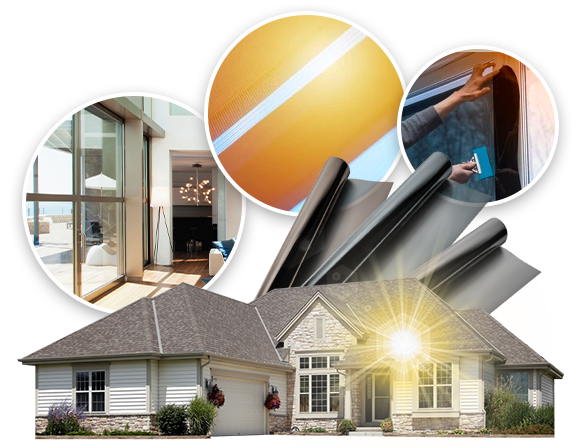
Windows bring natural light into a building, but they can also allow unwanted heat, glare, and ultraviolet exposure to enter the space. During warmer months, sun-facing windows may make rooms uncomfortable and place additional demand on cooling systems. Bright sunlight can also affect furniture, flooring, artwork, and other interior surfaces over time.
Solar window film offers one way to manage these issues without completely blocking natural light or changing the appearance of a property. The film is applied to glass and can help reduce heat and glare while limiting UV exposure.
Before choosing a film, however, it is important to understand how it works, where it can be useful, and what factors affect the right option for a particular window.
1. Understand What Solar Window Film Does
Solar window film is designed to change how sunlight interacts with glass. Depending on the type selected, it can reduce the amount of solar heat and glare entering through windows while still allowing daylight into the room.
This can be useful in homes, offices, storefronts, and other spaces with windows that receive strong direct sunlight.
Unlike heavy curtains or some traditional window coverings, solar film does not require you to close the window treatment to control sunlight. The glass remains usable as a source of natural light and outdoor views.
Common reasons property owners consider solar film include:
- Reducing indoor heat from direct sunlight
- Limiting excessive glare
- Reducing UV exposure
- Protecting furniture and flooring from sun damage
- Improving indoor comfort
- Supporting energy efficiency
- Maintaining natural daylight
- Adding another level of privacy depending on the film
The exact results depend on the film’s specifications, the glass, window orientation, and the conditions of the building.
2. Consider How Much Sun Your Windows Receive
Not every window has the same solar exposure. A room with large south- or west-facing windows may experience much more direct sunlight than a room with smaller windows facing another direction.
Before selecting a film, look at which areas experience the most heat and glare throughout the day.
For example, you may notice that:
- A living room becomes uncomfortable in the afternoon.
- An office has strong screen glare during certain hours.
- Furniture near a sunny window is exposed to constant sunlight.
- A room feels warmer than the rest of the property.
- Cooling equipment works harder during sunny periods.
These observations can help identify which windows need the most attention.
You do not necessarily have to treat every window in the building. A targeted approach may make more sense when only certain areas have significant sunlight-related problems.
3. Know the Difference Between Heat and Glare Control
Heat and glare are related to sunlight, but they are not exactly the same problem.
A window can allow considerable daylight into a room without necessarily creating severe glare. In another space, sunlight may make computer screens difficult to see even when the overall room temperature is acceptable.
Solar film can be selected based on different performance needs, so it is useful to identify the primary issue first.
If your main concern is indoor heat, you may focus on film designed to manage solar heat gain. If glare is the bigger problem, the appropriate film may place greater emphasis on reducing excessive brightness.
In many spaces, the goal is to balance these concerns without making the room unnecessarily dark.
4. Think About UV Protection
Ultraviolet exposure is another reason people consider window film.
Sunlight entering through windows can contribute to fading and deterioration of certain interior materials over time. Furniture, flooring, fabrics, artwork, and décor can be affected by prolonged exposure.
Solar film can help reduce UV rays entering through treated glass, providing an additional layer of protection for interior spaces.
This can be especially relevant in rooms containing:
- Hardwood or other finished flooring
- Upholstered furniture
- Artwork
- Decorative fabrics
- Wood furniture
- Rugs
- Interior décor near large windows
UV protection does not mean that interior items will never fade. Many factors affect fading, including the material, amount of sunlight, exposure duration, and other environmental conditions. However, reducing UV exposure can be part of a broader strategy for protecting valuable interiors.
5. Decide Whether You Need Residential or Commercial Applications
Solar window film can be useful in both residential and commercial environments, but the priorities may differ.
At home, the focus may be on improving comfort in bedrooms, living rooms, kitchens, or other rooms with strong sunlight. Homeowners may also be concerned about protecting furniture and maintaining pleasant indoor temperatures.
Commercial spaces can have different requirements. Offices may experience glare on computer screens, while retail environments may need to protect merchandise and displays from prolonged sunlight.
Commercial properties can also have larger areas of glass, which may make heat and glare more noticeable.
Before installation, consider:
- The size and number of windows
- The amount of direct sunlight
- How the space is used
- Interior materials that need protection
- Employee or customer comfort
- Existing cooling requirements
- Desired appearance
Understanding the purpose of the installation makes it easier to choose a suitable solution.
6. Choose the Right Film Appearance
Solar film is available in different shades and performance levels. The right choice is not simply about selecting the darkest option.
A darker film may reduce visible light more noticeably, while a lighter option may preserve more of the property’s natural brightness. The best balance depends on the building, window location, and reason for installation.
Consider how the glass looks from both inside and outside. You may want the film to blend with the existing appearance rather than create a major visual change.
For many properties, the goal is to reduce unwanted solar effects while keeping rooms bright and maintaining outdoor views.
When comparing options, look at:
- Visible light transmission
- Heat reduction performance
- Glare reduction
- UV protection
- Appearance
- Privacy requirements
- Compatibility with the existing glass
These factors should be considered together rather than choosing based on appearance alone.
7. Professional Installation Matters
Window film installation requires more than simply placing material over glass. Proper preparation, measurement, application, and finishing can affect the final appearance and performance.
The glass needs to be properly prepared before the film is applied. Accurate measurements are also important because the film needs to fit the window correctly.
Professional installation can help address issues such as:
- Correct film sizing
- Proper glass preparation
- Smooth application
- Edge finishing
- Appropriate product selection
- Consistent appearance across multiple windows
The installation environment can also affect the process. Dust, debris, and other contaminants can interfere with a clean application, which is why preparation is an important part of the work.
For property owners considering this upgrade, professional solar film installation can provide a more structured approach to selecting and applying the right solution.
8. Look at the Long-Term Purpose of the Upgrade
Solar film should be considered as part of the property’s overall window strategy rather than simply a cosmetic upgrade.
Think about what you want the windows to accomplish over the coming years.
If a room consistently becomes too warm, reducing solar heat may improve everyday comfort. If glare interferes with work or screen visibility, glare control may become the main priority. If furniture and flooring receive strong sunlight, UV reduction may be more important.
A clear goal helps prevent choosing a product based only on appearance or price.
It is also worth considering how the film will work alongside existing window treatments. Some properties may already have blinds, shades, or draperies. Solar film can provide another layer of solar control while those treatments remain available for privacy and light adjustment.
How Solar Window Film Can Improve Everyday Comfort
One of the main reasons property owners explore solar film is that sunlight can affect how comfortable a room feels.
A window does more than provide a view. It is also an opening through which solar radiation enters the building. When strong sunlight reaches a room, surfaces and indoor air can become warmer.
Reducing unwanted solar exposure can help make certain rooms more comfortable, particularly during periods of strong sunlight.
This can be noticeable in:
- Rooms with large glass areas
- Sun-facing offices
- Rooms with minimal shade outside
- Spaces with furniture positioned close to windows
- Areas where glare affects daily activities
The objective is not necessarily to eliminate sunlight. Natural light remains valuable. Instead, solar film can help create a better balance between daylight and unwanted solar effects.
Solar Film and Energy Efficiency
Windows can influence a building’s heating and cooling requirements. When sunlight increases indoor heat, cooling systems may need to work harder to maintain comfortable conditions.
Solar film may help reduce some of this solar heat entering through treated windows. The potential impact will depend on factors such as the existing glass, climate, window orientation, building design, insulation, and HVAC system.
For that reason, solar film should not be viewed as a guaranteed replacement for other energy-efficiency improvements.
Instead, it can be one part of a broader strategy that may include appropriate insulation, efficient HVAC equipment, shading, and well-designed window treatments.
What to Ask Before Choosing Solar Film
Before moving forward, it helps to discuss the project in practical terms.
Ask about the type of film recommended for your glass and why it is suitable. Ask how much visible light the film allows through and what level of heat and glare reduction it is designed to provide.
You can also ask about installation methods, expected appearance, maintenance requirements, and whether the film is appropriate for the specific windows.
Useful questions include:
- What problem should the film solve in this room?
- How much natural light will remain after installation?
- What level of heat and glare reduction can I expect?
- Is the film compatible with my existing glass?
- Which windows would benefit most from treatment?
- How will the finished film look from inside and outside?
- What care does the film require after installation?
These questions can make the selection process clearer and help you compare options based on actual needs.
Frequently Asked Questions
Does solar window film block natural light?
Not necessarily. Solar films are available in different shades and performance levels, allowing property owners to balance solar control with natural daylight.
Can solar film reduce window glare?
Yes. One purpose of solar film is to reduce excessive glare caused by direct sunlight, which can be particularly useful in rooms with computer screens or reflective surfaces.
Does solar film help protect furniture?
Solar film can reduce UV exposure and help limit sunlight-related damage to furniture, flooring, fabrics, and décor. The amount of protection depends on the specific product and installation.
Can solar film be used in commercial buildings?
Yes. Solar film can be used in both residential and commercial spaces where heat, glare, UV exposure, or indoor comfort are concerns.
How do I choose the right solar film?
Start by identifying your main concern, such as heat, glare, UV exposure, or privacy. Then consider the window type, sunlight exposure, desired appearance, and amount of natural light you want to maintain.
Conclusion
Solar window film can be a practical option for managing heat, glare, UV exposure, and indoor comfort while maintaining access to natural light. The right solution depends on the property’s windows, sunlight exposure, interior needs, and desired appearance.
If you are ready to evaluate your windows and explore suitable solar film options, contact KC Blind Guys, Inc. to discuss your project and schedule a professional consultation.